If the furnace starts, the rental is ready for winter. That is the myth we hear from property owners who only get involved once a tenant is already cold. A unit that lights is not the same as a unit that is safe, moving enough air, and likely to last through the season. If you manage rental property HVAC in Riverside, the useful question is what a technician should actually check on a visit, before that first no-heat message shows up.
Why “it turned on” is not a heating check
Lighting off tells you the thermostat can call for heat and the igniter or pilot still works. It does not tell you whether the filter is packed, the flame is burning clean, the flue is clear, or the temperature rise is in range. Those are the things that turn a quiet furnace into a lockout, a strange smell, or a tenant without heat a few weeks later.
Rentals add a few twists an owner-occupied house does not. Filters go months without a change because nobody is sure whose job it is. Return grilles get blocked by couches and storage. Units sit off through a vacancy, then get asked to heat a cold house all at once. A planned visit before the heating season catches that. A quick flip of the switch on the first chilly morning does not.
California requires rental heating facilities to be maintained in good working order. A furnace that starts but cannot keep the house reasonably warm, or one with a safety problem, still needs attention.
Want the furnace at your rental looked at before the complaints start? A $99 Furnace Tune-Up is the seasonal check. Call (909) 883-8827 or request a visit online.
What we check on a rental property HVAC Riverside visit
Here is what a thorough seasonal visit includes, and what you are paying for with a $99 Furnace Tune-Up. If we find a repair beyond that tune-up, we stop and show you before going further.
- Filter and airflow. We pull the filter, confirm the size, and look at the blower and the returns we can reach. A packed filter is a frequent reason a rental furnace overheats or short cycles.
- Thermostat. We confirm it is calling for heat, the batteries are good if it uses them, and the settings are not fighting the system. Dead batteries and a thermostat left on “off” are frequent tickets.
- Ignition, burners and flame. We watch the start-up and the flame with the blower running. A lazy, lifting or sooty flame is a reason to keep looking, not to walk away.
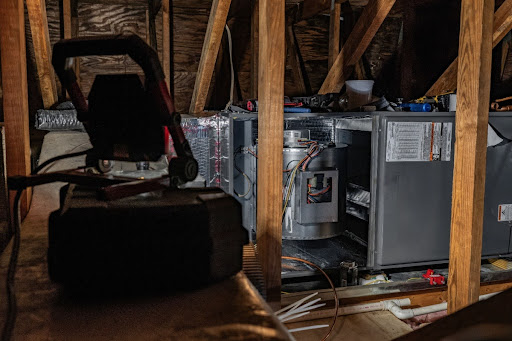
- Heat exchanger and flue. We inspect what we can see and check that the vent is attached, sloped and clear. Leave the inner furnace panels and the sealed burner cover alone. Opening them can put flames and exhaust where they should not be.
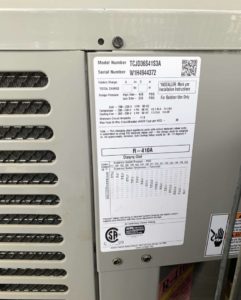
- Temperature rise and safety controls. We measure the temperature rise against the rating plate and test the limit switch, rollout switch and other safeties so they can do their job.
- Blower, condensate and accessible ducts. We check the blower wheel and capacitor, clear a drain on a high-efficiency unit if it has one, and look at the supply and return connections we can reach.
- Carbon monoxide and visible gas connections. We check for CO near the furnace and at a supply register, and we look at the gas fittings we can see. If a CO alarm is missing or past its date, we will tell you.
ENERGY STAR recommends changing filters on a regular schedule and getting heating equipment tuned up each year, which is the point of this visit. Their Heat and Cool Efficiently page is a plain overview of those habits. SoCalGas also publishes useful appliance maintenance and gas safety guidance you can share with a tenant along with your own house rules.
The problems we see most often in rentals
The checks above are the same on any house. In a rental, ordinary problems often sit until someone is uncomfortable:
- A filter that has not been changed since the last tenant, or a cheap one that collapsed in the slot.
- Furniture, boxes or a mattress parked against a return grille.
- Closed supply registers in unused rooms, which can push the temperature rise too high.
- A thermostat set to off, to emergency heat on a heat pump, or to a leftover schedule from the previous occupant.
- A unit that sat unused during a vacancy, so dust or a stuck condensate drain shows up the first time it runs hard.
None of those automatically mean you need a new furnace. They do mean someone has to look, and it is easier on a planned visit than after a tenant has been without heat. For the service itself, see our heating maintenance page, and for work in town see heating and cooling service in Riverside.
What to tell tenants, and what they should not do
A short handoff at move-in, or at the start of the heating season, prevents a lot of callbacks. Tell tenants:
- The filter size, where it lives, and how often to change it. Many rental furnaces need a new filter every one to three months. If they cannot find a replacement, they should message you rather than run the system clogged.
- Leave supply registers open and keep furniture off the returns.
- If they smell gas, get everyone outside and call 911 and the gas company from there. If a CO alarm sounds, do the same: out first, then 911.
- Report a furnace that short cycles, will not keep up, leaves soot, or smells like exhaust or hot plastic. Do not keep resetting it.
- Do not open the furnace cabinet to investigate. That is a technician’s job.
- Do not use a gas oven or an outdoor grill as a heater. A plug-in space heater is only a backup for one room, not a substitute for a working furnace.
Decide in advance who the tenant should call if the heat goes out. They can find our Riverside service area page if they need the company number, but you should still hear about the problem so you know what is happening at the property.
When a tune-up is enough, and when it is not
If the furnace is running and you want it inspected and cleaned up for the season, the $99 Furnace Tune-Up is the right visit. That price is for a furnace only, not an air conditioner service.
If the unit is already failing, making a burning or exhaust smell, or locking out, that is a repair call. In that case we start with a $59 HVAC diagnostic, waived if you approve the repair. If the furnace is at the end of its useful life, we offer free HVAC replacement estimates. Ask about financing.
We have written before about why HVAC maintenance matters. This checklist is what that visit looks like when a tenant is the one living with the system. If you want a rental property HVAC Riverside visit on the calendar, call us and we will set it up around the current tenants’ schedule.
Ready to put a heating visit on the calendar for your rental? Call (909) 883-8827 or send the property details through our contact form. $99 Furnace Tune-Up.
Quick answers to questions we hear from owners
How often should I have the furnace checked on a rental?
Once a year, ideally before the heating season starts. If the unit sat unused during a vacancy, have it checked before the next tenant moves in.
Who should change the filter in a rental, the owner or the tenant?
Either can do it, as long as someone actually does it on a schedule. Tell tenants the filter size, how often to change it, and to message you if they cannot find a replacement. A clogged filter is one of the main reasons a rental furnace overheats or shuts down.
Can a tenant run a space heater instead of calling about the furnace?
A plug-in space heater can take the chill off one room in a pinch, but it is not a substitute for a working furnace. Plug it straight into a wall outlet, keep it clear of bedding and furniture, and still report the heating problem so the system gets fixed.
What if the tech finds a repair during a tune-up?
We will show you what we found and quote the work before doing anything beyond the tune-up. If you want the repair, the $59 HVAC diagnostic is waived if you approve the repair.