If the smell showed up the first time you turned the heat on this season and faded within an hour, it was almost certainly dust burning off the heat exchanger. That one is normal. The smells worth worrying about are the ones that stay, come back every cycle, or smell like rotten eggs, hot plastic or exhaust.
Below is a smell-by-smell guide for a furnace smell in Corona homes: what each one usually means, what you can check, and which ones mean you turn the system off and get help.
Dusty or slightly burnt: the first-cold-night smell
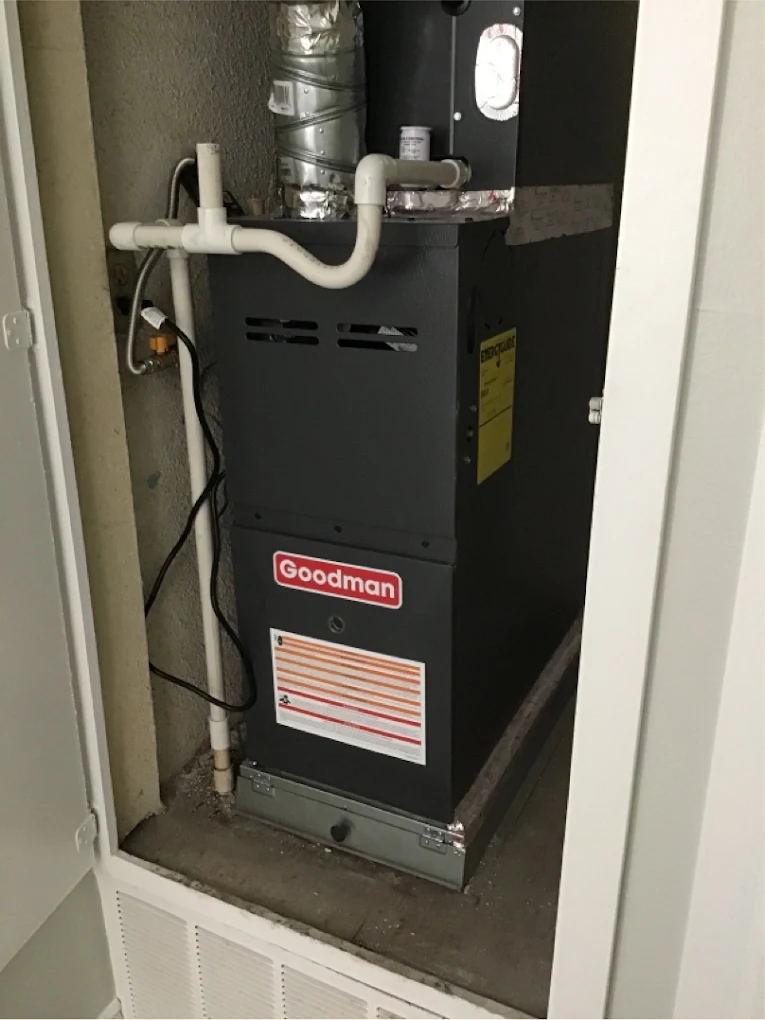
A furnace in Corona can sit idle from spring to November. Dust settles on the burners and heat exchanger, and the first few cycles cook it off. You may notice it most near the supply vents closest to the furnace.
What to check: Open a window, let the system run, and see if the smell fades over a few cycles. Pull the filter while you are at it. A gray, matted filter makes the smell linger and makes the blower work harder.
When it is not normal: A furnace smell in Corona homes that lasts past the first day is worth a closer look. If the burning smell is still there after a day of regular use, or it gets stronger instead of weaker, something other than dust is heating up.
Rotten eggs or sulfur: leave first, call from outside
Natural gas has no smell of its own. The utility adds an odorant so leaks smell like rotten eggs. If you smell it near the furnace, the water heater or anywhere in the house, do not try to find the source.
- Get everyone out of the house.
- Do not flip light switches, unplug anything, use the thermostat or start a car in the garage. Any spark can ignite gas.
- From outside, call SoCalGas at 1-800-427-2200, or 911 if anyone is at risk.
SoCalGas also points out that some people cannot smell the odorant well, so a hissing sound near a gas line or appliance deserves the same response. Their natural gas leak safety page lists the signs. Once the utility has made the area safe, a licensed HVAC tech can repair the furnace side of the problem.
Hot plastic or electrical: shut it off at the thermostat
A sharp, acrid smell, like overheated wiring or melting plastic, often points to a blower motor running hot, a failing capacitor, or a wire connection that is breaking down. Sometimes it is something simpler, like a plastic toy or bag that fell into a floor register.
What to check: Look into the registers near where the smell is strongest. If you find nothing, set the thermostat to off and leave it off. Do not open the furnace’s electrical panel or keep resetting the system to see if the smell comes back.
Musty or damp: airflow and moisture, not a gas problem
A stale, basement-like smell that blows out when the heat starts usually means moisture somewhere in the system: a dirty filter, dust in the return duct, or condensation around a high-efficiency furnace’s drain line. It is not a safety emergency, but it does affect the air you breathe all winter.
What to check: Replace the filter. On a high-efficiency furnace, look for water around the base or a disconnected white drain tube. If the smell stays after a new filter, have the blower and ductwork inspected.
Exhaust, fuel or a sharp chemical smell: think carbon monoxide
A gas furnace burns fuel and vents the exhaust outside. If the vent pipe is disconnected or blocked, or the heat exchanger is cracked, exhaust can get into the house. Carbon monoxide itself has no smell, but the other combustion gases that come with it sometimes do.
- If your CO alarm sounds, get everyone outside and call 911.
- Headaches, dizziness or nausea that ease when you leave the house are a warning sign even without an alarm.
- Test CO alarms now, and make sure there is one outside every sleeping area.
The EPA explains why CO is dangerous and how combustion appliances cause it on its carbon monoxide page.
Smell that will not go away? Our heating repair team will track it down. $59 HVAC diagnostic, waived if you approve the repair. Call (909) 883-8827 or book a visit online.
What a technician checks on a furnace smell call
On a smell call we start with the safety items, then work toward the cause:
- Gas pressure and connections at the furnace with a leak detector
- Combustion and flue: is the vent pipe connected, sloped correctly and clear
- Heat exchanger condition and flame pattern
- Blower motor, capacitor and wiring for heat damage
- Filter, return duct and the condensate drain on high-efficiency units
You get a clear explanation of what we found and the price before any repair. If the furnace is older and the repair does not make sense, we will tell you that too and give you free HVAC replacement estimates so you can compare. Ask about financing if a replacement is on the table.
How to keep the smells from coming back
Most smell calls trace back to a system that has not been cleaned or checked in a while. A $99 Furnace Tune-Up early in the season is the easiest way to catch problems like these before the next cold snap. Change a standard 1-inch filter every one to three months while the heat is in regular use.
If the furnace runs but the house still is not warm, start with our furnace not heating checklist. For everything we do for homes in town, see heating and air conditioning in Corona or our Corona service page.
Frequently asked questions
Is it normal for a furnace to smell like burning when first turned on?
Yes, for the first few cycles of the season. Dust that settled on the heat exchanger over the summer burns off and the smell should fade within an hour or a day of normal use. If it lasts longer or gets stronger, have the furnace checked.
What should I do if my furnace smells like rotten eggs?
Treat it as a possible gas leak. Leave the house without using switches or appliances, then call SoCalGas at 1-800-427-2200 or 911 from outside. Do not go back in until the utility says it is safe.
Can a dirty furnace filter cause a burning smell?
A clogged filter can make dust smells linger and causes the blower motor to run hotter, which can produce a warm, dusty or burning odor. Replacing the filter is the first thing to try for a dusty smell.
Does carbon monoxide have a smell?
No. Carbon monoxide is odorless and colorless, which is why a working CO alarm matters. An exhaust or fuel smell can mean the furnace is not venting properly, so treat it seriously.
Not sure which smell you have? Describe it to us at (909) 883-8827 and we will tell you whether to shut the system off, or request a Corona heating visit online.