The question we hear most at Corona kitchen tables once the heat comes on is short: “Do we fix it again, or is it time?” There is usually a repair quote on the counter and a furnace in the hall closet that has already needed help a winter or two before. Most furnace replacement Corona calls we run start right there, and the answer comes down to a handful of things you can check, not a sales pitch.
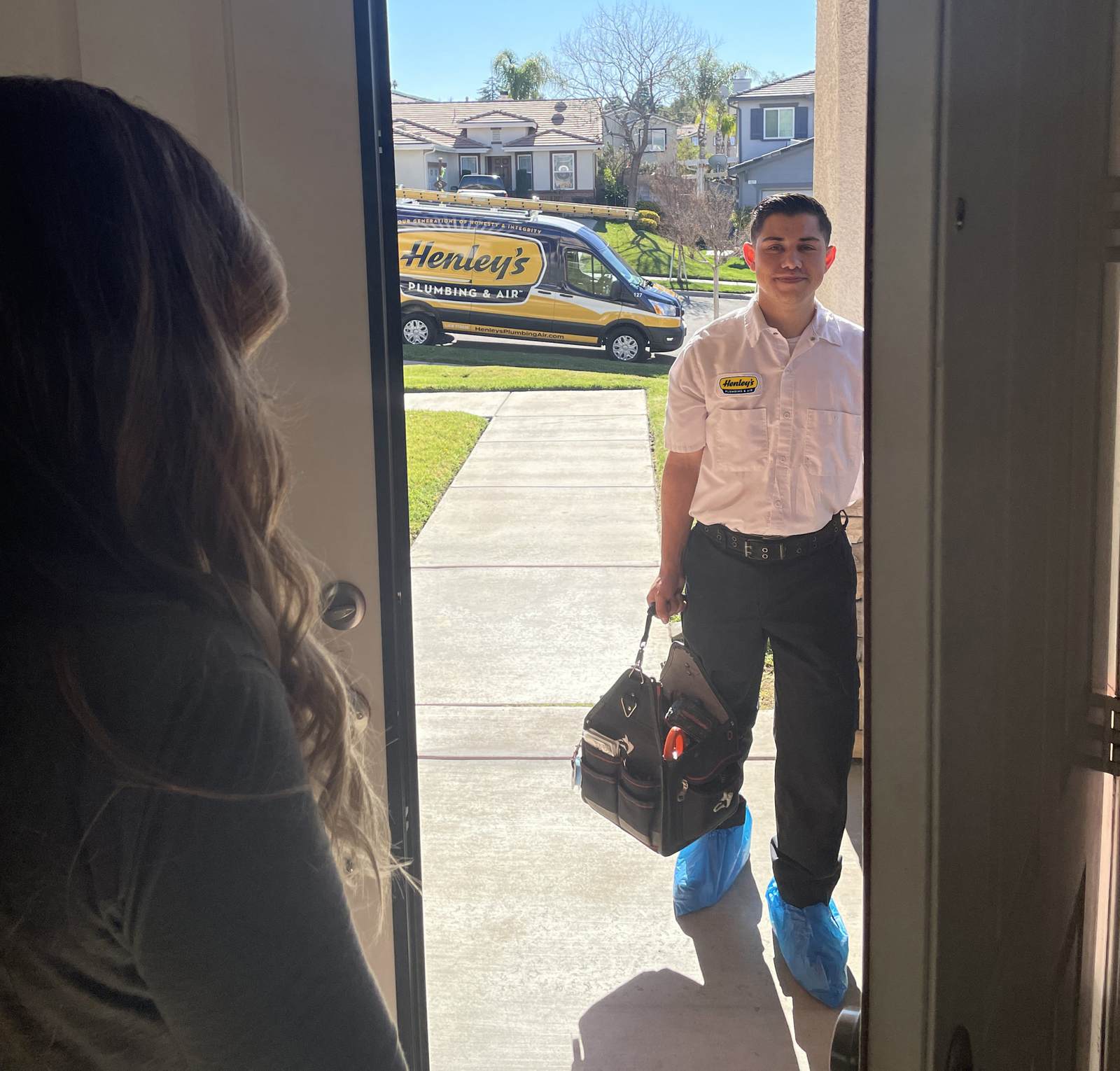
Below are the questions homeowners ask us when they are on the fence, with the straight answers we give. None of them settles it alone. Put together, they usually make the choice clear.
Weighing a repair against a new furnace? We give free HVAC replacement estimates, and if you would rather start with a repair opinion, it is a $59 HVAC diagnostic, waived if you approve the repair. Call (909) 883-8827 or request a visit online.
How old is too old for a furnace?
There is no birthday when a furnace has to go. We have seen older units that were installed well and serviced every fall still burning clean, and younger ones worn out early by clogged filters and a cramped closet. Age matters mostly because of what tends to come with it.
The big one is parts. As a model gets older, manufacturers stop making some of its control boards, inducer motors and gas valves, and a universal substitute does not always fit. A repair that looks simple on paper can turn into a long wait for a part during the coldest week of the year.
To find the age, look for the rating label on the side of the cabinet or inside the front door. The manufacture date is often coded into the serial number, so snap a photo and we can read it for you. If you cannot see the label without unscrewing a cover, leave it for the technician; some covers seal off the burner area for good reason.
Does one expensive repair mean it is time to replace?
Not by itself. A failed igniter or flame sensor on a furnace in good shape is a normal repair, and replacing the whole system over it would waste money. What changes the math is a pattern.
Dig out your old invoices. If the same part keeps failing, or each winter brings a call for a different problem, the furnace is telling you something. Ask the technician what else is wearing out, not only what broke today. A new blower motor on a furnace with a rusting cabinet and a tired inducer is a very different bet than the same motor on a clean, younger unit.
A fair technician will say so when a repair is the smart move. If every visit ends with a pitch for a new system, getting a second look is reasonable.
What if the technician finds a cracked heat exchanger?
This one speeds the decision up. The heat exchanger is the metal chamber that keeps burner flames and exhaust separate from the air blowing through your rooms. A crack can let combustion gases, including carbon monoxide, mix into that air. On most older furnaces, swapping the heat exchanger costs enough and takes long enough that a new furnace is the better use of the money.
If a crack turns up, the technician may shut the furnace down and tag it unsafe to run. Ask to see the evidence: a photo, a camera view or the spot on the metal. Our article on what a cracked heat exchanger means for your family explains what technicians look for.
Keep working carbon monoxide alarms near the bedrooms no matter what. If an alarm goes off or there is a gas smell, take everyone out of the house and call 911 or SoCalGas once you are outside; our page on gas smells and CO alarms covers the next steps. Never patch a cracked area yourself or keep running a furnace that has been tagged.
The furnace still runs, so why are some rooms always cold?
Plenty of replacement calls are really comfort complaints: a back bedroom that never warms up, an upstairs that overheats, dry air or a blower that roars. Age can play a part, but so can sizing and ductwork.
An oversized furnace warms the air around the thermostat fast and shuts off before the far rooms catch up. An undersized one runs and runs on a cold night without getting there. Our post on signs your furnace is too big or too small walks through what each looks like. If yours clicks on and off every few minutes, short cycling has its own causes worth ruling out first.
That is why a new furnace should never be sized by copying the old label. If the original was the wrong size, a copy will be wrong too. Leaky or undersized ducts can also cancel out a new unit, so they belong in the conversation before anything gets ordered.
Will a new furnace lower my gas bill?
It can, but by how much depends on what you have now and how you heat the house. Every furnace carries an AFUE rating, short for annual fuel utilization efficiency, which tells you how much of the gas you buy turns into heat indoors instead of going up the flue. Older furnaces generally rate lower than current models.
Higher-efficiency condensing furnaces vent through plastic pipe and make water that needs a drain, so the install can involve more than trading one box for another. That is often easy in a garage and trickier in a hall closet with no drain close by. ENERGY STAR has a plain explanation of efficient gas furnaces and what the label means.
Before you buy, look through SoCalGas rebates and incentives for anything that applies to your equipment. Programs change, so go by the current list rather than what a neighbor got last year. If an electric heat pump is also on your list, our heat pump vs. gas furnace comparison covers that choice.
Furnace replacement Corona estimate: what should be on paper
Whoever you call, a replacement estimate should spell out more than a model number and a total. This is what we put on ours, and what we would ask any contractor to show you:
- A heat load calculation for your house, not a guess based on the old label
- The exact furnace model, its AFUE rating and the type of blower motor
- Venting changes, gas line and shutoff work, and any condensate drain
- The filter setup, return air and how the new unit ties into your existing ducts
- Whether your current AC coil and thermostat will work with the new furnace
- Permit, haul-away of the old unit, and startup testing that includes a combustion and CO check
- Manufacturer and labor warranty terms in writing
We give free HVAC replacement estimates, and the technician goes over each line with you rather than leaving a number on the counter. Ask about financing if you would rather spread the cost out. You can see how an install comes together on our heating installation page, while our Corona HVAC services page and Corona service area page cover the rest of our local work.
Want a straight answer on your furnace? Call (909) 883-8827 or tell us about your system online. Free HVAC replacement estimates, and repair visits start with a $59 HVAC diagnostic, waived if you approve the repair. Ask about financing.
Questions Corona homeowners ask about replacing a furnace
Can I wait until spring to replace my furnace?
If the furnace is safe and the repair is reasonable, yes. Plenty of homeowners fix it now and plan the replacement for a milder month. If it has a cracked heat exchanger or has been tagged unsafe, do not try to ride out the winter on space heaters.
Do I have to replace my AC when I replace the furnace?
Not always. The indoor coil sits on top of the furnace, so the technician checks whether your current coil and outdoor unit match the size and connections of the new furnace. If the AC is fairly young and compatible, it can usually stay.
Is there a charge for a furnace replacement estimate?
No, replacement estimates are free. If the furnace has stopped and you want a repair diagnosis first, that visit is the $59 HVAC diagnostic, waived if you approve the repair.
Is it safe to keep using a furnace that was flagged for a problem?
It depends on the problem. A worn part that makes noise is not the same as a gas leak, a cracked heat exchanger or flames rolling out of the burner area. If a technician shut off the gas or tagged the unit, leave it off until it is repaired or replaced.