The hallway toilet will not go down, the bowl is sitting high, and holiday guests are already in the driveway. What do you do first? A clogged toilet Riverside homeowners call us about around Thanksgiving usually starts with one flush that does not drop, then a second flush that brings the water too close to the rim.
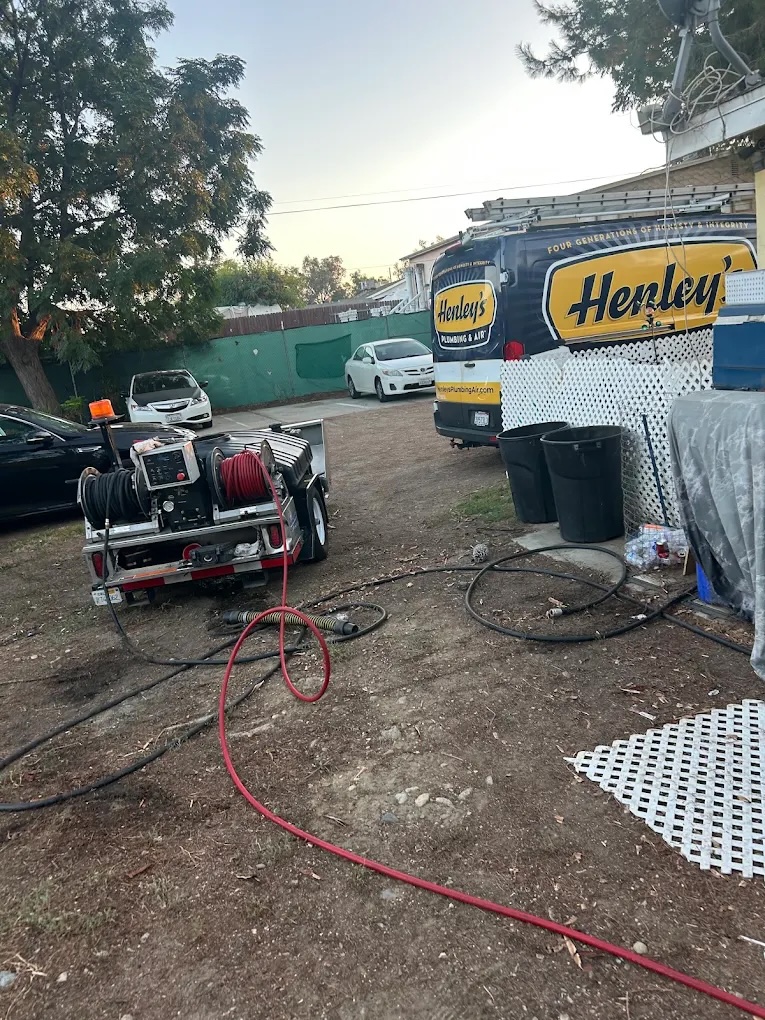
Stop flushing. One more try often sends water over the bowl and onto the floor. The steps below are what to do in the house right now, and then what we check once we are on the visit. If you only need basic plunging help, see our guide to ways to unclog a toilet without a plunger. This post is about the holiday visit, when plunging should stop, and what a plumber looks at so the bathroom can be used again.
Water is close to the rim and plunging is not working? Free plumbing diagnosis, estimates and second opinions. Call (909) 883-8827 or send us the details online.
Do these things before you flush again
You are trying to stop the overflow and figure out whether this is just the toilet or the whole bathroom line.
- Do not flush again. If the bowl is already high, lift the tank lid and close the fill valve, or bend the float down so the tank stops refilling.
- If water is about to spill, bail some of it into a bucket so you have room to work without flooding the floor.
- Put a towel at the base. A clogged bowl often weeps around the wax ring once the water sits high.
- Check the tub and the bathroom sink. If those are also slow or gurgling, stop plunging the toilet and call. The clog may be farther down the line, and pushing harder on the toilet can move the backup into the tub.
- A flange plunger (the one with a fold-out lip) is the right tool for a toilet. A flat sink plunger does not seal. Give it a dozen firm strokes, then wait and see if the water drops. If it does not move, stop.
Do not pour drain chemical into a toilet that is already full. It rarely breaks up paper or a solid object, and it leaves a caustic bowl if a plumber has to open the line. Do not pull the toilet until you have a way to cap the open flange and a plan for the floor around it.
What usually clogs a toilet when the house is full
Holiday weeks put more paper, more flushes, and sometimes the wrong things through one fixture. The usual culprits are a thick wad of toilet paper, a so-called flushable wipe that does not break down, a paper towel, or a small object a child dropped in. Older toilets with a smaller trapway clog on less paper than a newer one.
A toilet that clogs, then flushes, then clogs again on the next visit is often holding something in the trap. A toilet that will not go down and the tub starts to gurgle at the same time is a different job. That pattern points past the fixture, toward the bathroom branch or the main line, and plunging the bowl will not fix it.
If the toilet runs on and on after it finally flushes, that is a fill or flapper problem, not a clog. Our page on what usually causes a running toilet covers that separately.
What we check on a clogged toilet Riverside visit
We start with the bowl and work outward only as far as the evidence takes us.
First we look at the water level, the way the bowl is set, and whether the floor around the base is wet. A toilet that rocks, or a wax ring that is already seeping, has to be handled carefully so the closet flange and the floor stay intact. Then we try to clear the trap: a proper plunger first, then a closet auger meant to go through the toilet, not a drain snake that can scratch the porcelain.
If the auger brings back paper and the bowl then empties and refills normally, we run a few test flushes and check the tank so it is not going to overflow when the next guest uses it. If the auger stops on a solid object, or the bowl will not hold a seal, the toilet may need to come up so we can see the flange. That is still a fixture job, and you get the price before we start it.
When the tub or the sink is also backing up, we leave the closet auger and look at the bathroom branch and the main line. That can mean a cable through a cleanout, and sometimes a camera so we can see whether it is paper, roots, or a belly in the pipe. If the clog is in the drain line rather than the toilet itself, we offer $88 Clear Drain with a free water analysis. Restrictions apply. Call now.
You can read more about fixture work on our toilets page, or start on the Riverside plumbing page. We also list this area on the Riverside hub page.
When to stop plunging and call
Call if any of these are true:
- The water will not drop after a real set of plunger strokes, or it drops and then climbs again on the next flush.
- You feel a solid stop with the plunger or you suspect a toy, a wipe, or another object in the trap.
- The tub, the shower, or a sink is gurgling or rising while you work on the toilet.
- Water is coming out around the base, the toilet rocks, or the floor feels soft.
- You already used a chemical cleaner and the bowl is still clogged. Tell us that when you call so we can handle the water safely.
A plunger is the right first tool. It is the wrong only tool once you have given it a fair try or once more than one fixture is involved. Free plumbing diagnosis, estimates and second opinions still apply, including a second look if someone already started the job.
Keeping the bathroom usable while guests are in the house
Once the toilet is clearing again, a few habits save you a repeat call during a full house. Use the trash for wipes, cotton swabs, and paper towels, even the ones labeled flushable. If this toilet has clogged more than once this year, mention that on the visit. Recurring clogs are worth checking at the flange and farther down the line, not just clearing and leaving.
The U.S. EPA WaterSense program has a plain overview of high-efficiency toilets and indoor water use if you are already thinking about a replacement after repeated clogs. We can also give a straight repair-or-replace read on the visit. Ask about financing if a new toilet or a drain repair is the better path.
Need the toilet or the line cleared before the house fills up? Call (909) 883-8827. Free plumbing diagnosis, estimates and second opinions, and the price comes before the work starts. Or book the visit online.
Questions Riverside homeowners ask about a clogged toilet
Can I use a chemical drain cleaner in the toilet?
Skip it. Those products rarely break up paper or a solid object in the trap, and they make the job harder if the toilet has to be pulled or the line has to be opened. A plunger or a closet auger is the safer first step, and a plumber can take it from there.
The tub gurgled when I flushed. Is that still just the toilet?
Probably not. Gurgling in the tub or the sink while the toilet is clogged often means the backup is in the shared bathroom line or farther down. Stop plunging the bowl and have the line checked so the backup does not come up in the tub.
Should I pull the toilet myself before guests arrive?
Only if you already know how to cap the flange, protect the floor, and set the toilet back on a new wax ring. A pulled toilet with an open pipe is a sewer-gas and spill problem in a busy house. It is usually faster to have the fixture cleared or pulled and reset as one visit.
What if this toilet clogs every time we have company?
That is worth a real look, not just another plunge. The trap, the flange, the way the toilet is set, or a restriction farther down the line can all cause a bowl that only fails when the house is full. We can diagnose it and tell you whether a repair, a better-flushing toilet, or a line clearing is the lasting fix.